
Addressing post treatment issues that matter most to head and neck cancer survivors is the focus of a new study at the PA Hospital, all thanks to the PA Foundation’s donors.
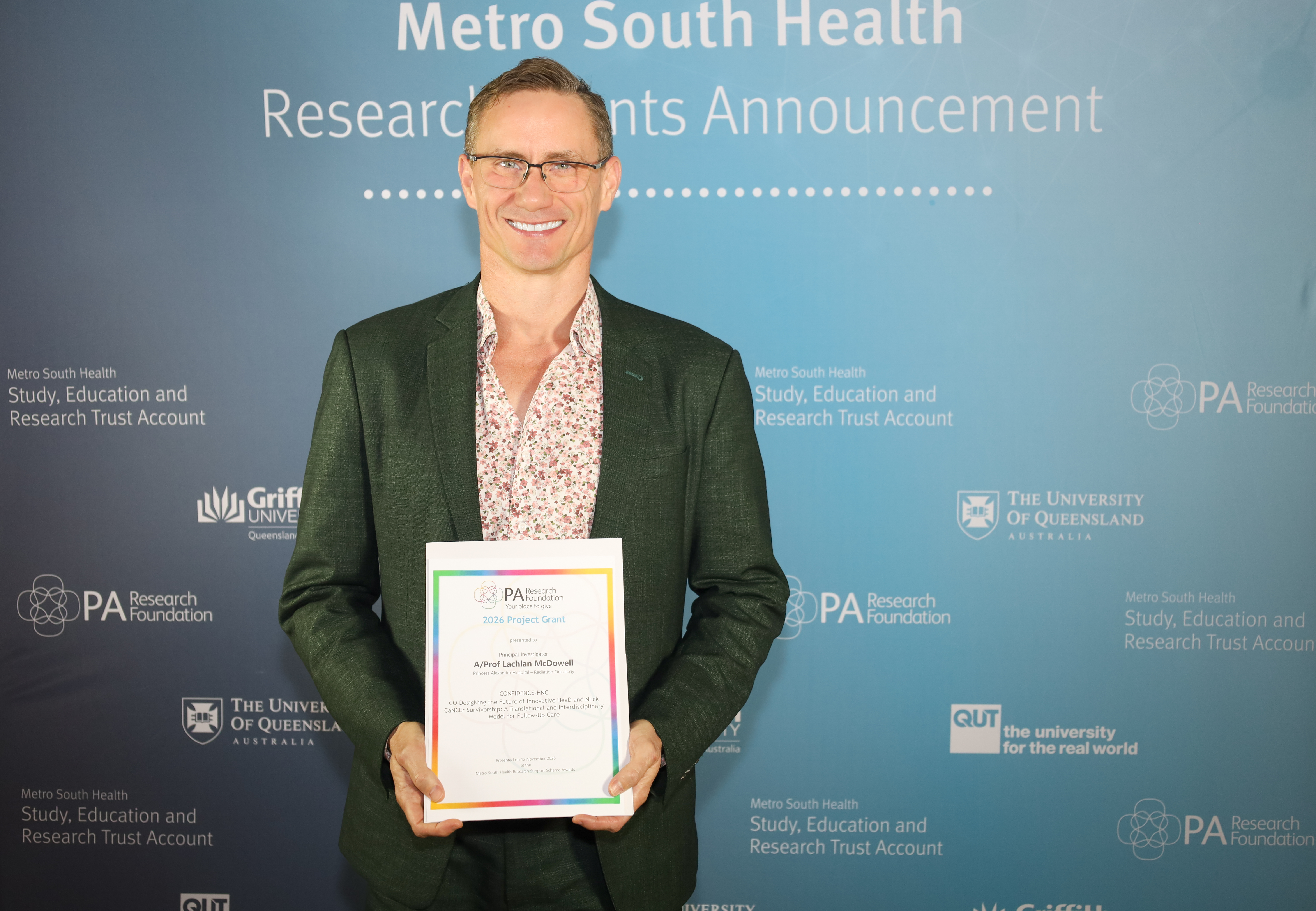
Led by PA clinician Associate Professor Lachlan McDowell, the multidisciplinary study will explore short and long-term survivorship issues that patients face following diagnosis and treatment. It will encompass patients who’ve been treated with surgery, radiation, chemotherapy, or a combination of treatments.
A/Prof McDowell said as well as identifying what matters most to cancer survivors with a view to improving their long-term health and quality of life outcomes, the study will also consider what patients actually want support with.
“We're casting the net quite wide on all of the issues that they may have and we're using questionnaires which have been developed with broad coverage to look at each of those issues, the severity of those issues, and whether patients want assistance or help with those specific issues,” he said.
“One of the things that we'll do is a prioritisation exercise of their main survivorship issues and challenges to understand what's most important to individual patients.
“In patients treated with radiation therapy, the issues most commonly raised are being able to swallow normally, having no pain or having a dry mouth or losing their taste. However, priorities may look quite different in other groups — including patients who have undergone different types of surgery and/or chemotherapy. In these settings, key concerns may include communication, appearance, hearing or returning to their usual activities.
“One of the things that I was interested in, and where I've used that prioritisation exercise in the past has been to identify the importance of sexual health in head and neck cancer patients. That may not be an important issue to all, but for those patients who it is important, it is highly prioritized.
“A recurring challenge in our field is the substantial short- and long-term emotional and psychological stress that survivors of head and neck cancer may experience following their diagnosis and treatment. This is an area that we need to quantify more clearly, while also assessing patients’ interest in – and access to – better defined pathways for psychological support. Key concerns include fear of cancer recurrence (how much they're worried about their cancer coming back), treatment-related trauma and broader symptoms of general anxiety and depression that may arise as a consequence of either their diagnosis or treatment.”
The study will draw upon the knowledge of a wide array of healthcare professionals from the PA including radiation, surgical and medical oncologists, speech pathologists, dietitians, physiotherapists, occupational therapists, social workers, and nursing staff.
Lachlan said the project aims to identify what head and neck cancer survivorship looks like for patients from the diverse areas of Queensland that the PAH Head and Neck Cancer team services and then develop models of care that are informed by patients.
“The research is drawing on the healthcare disciplines that we're already using but also considers whether we might need to draw in other specialties, where we may not currently be meeting patient needs,” he explained.
“By the end of the study, which will also include workshops with patients, their caregivers, and clinicians, we're hoping to have identified an optimal head and neck cancer survivorship program. We will then by looking to roll out that program to our patients.”
“Key areas where we have identified gaps, but need to be informed by patients on, is the need to develop a clinic specifically dedicated to patients with significant physical side effects from treatment. Such a clinic would be a first in an Australian service, increasing expertise and opening opportunities for patients to access novel therapies through local investigator-initiated trials or collaborations with other international centres in this space. It offers opportunities to improve the well-being of head and neck survivors in our clinics.
“The second one would be how we develop a more comprehensive approach to the psychosocial challenges that patients may have. That may not necessarily have to be in-house, but I think we need to develop clearer pathways to community-based care for those issues because the psychological care of these patients is underdeveloped.”
The radiation oncologist was full of praise for the Foundation’s supporters for their generosity and foresight in giving so that others will benefit.
“I want to thank all of the PA Foundation donors for the generous contributions they've made. I do take a personal responsibility to how we most judiciously use those funds to ensure that at the end of that this project it’s more than just doing research. It's about looking at how we can improve the well-being of patients, at an on-the-ground level.”