Dr Alexander Lehn is a clinician–researcher at the Princess Alexandra Hospital whose work is focused on improving the diagnosis, understanding and treatment of complex movement disorders, including Parkinson’s disease and Functional Neurological Disorders (FND).
Through a combination of hands-on clinical care and collaborative research, Alex works to translate real-world clinical insights into practical, patient-centred treatments, with the aim of improving outcomes for patients who are often misunderstood, misdiagnosed, or left without clear management pathways.
What is your area of research?
My research focuses on movement disorders such as Parkinson’s disease and Functional Neurological Disorders. I’m particularly interested in improving diagnosis, understanding disease mechanisms, and developing practical, patient-centred treatment approaches that can be implemented in real clinical settings.
A key focus of my work is ensuring that research remains directly relevant to the people we see every day in clinic.
What originally drew you to this area of research?
I was always drawn to the clinical side of movement disorders. These are conditions where careful observation, detailed examination and long-term relationships with patients really matter.
What ultimately drew me into research was the need to develop better treatments. Most movement disorders, including Parkinson’s disease, remain incurable, and current therapies are largely symptomatic rather than disease-modifying.
My involvement in Functional Neurological Disorder research grew naturally from my clinical work. I was seeing many patients with disabling symptoms who were frequently misunderstood, misdiagnosed, or left without clear management pathways. Research offered an opportunity to translate clinical insight directly into better outcomes for patients.
What impact do you hope your research will have on patient care, now and into the future?
In the near term, I hope to improve diagnostic accuracy and access to appropriate treatment. Better diagnosis can reduce unnecessary investigations and hospital admissions, which is better for patients and the health system.
In the longer term, my goal is to help reshape how conditions such as Parkinson’s disease and FND are understood and managed: moving toward earlier diagnosis, more personalised care, and better long-term outcomes for patients and their families.
What challenges do you face in your research, and how do you overcome them?
One of the main challenges is balancing a demanding clinical workload with the time and resources needed to conduct high-quality research. Another challenge is studying complex neurological conditions that don’t always fit neatly into traditional disease models and often require innovative study designs and close patient engagement.
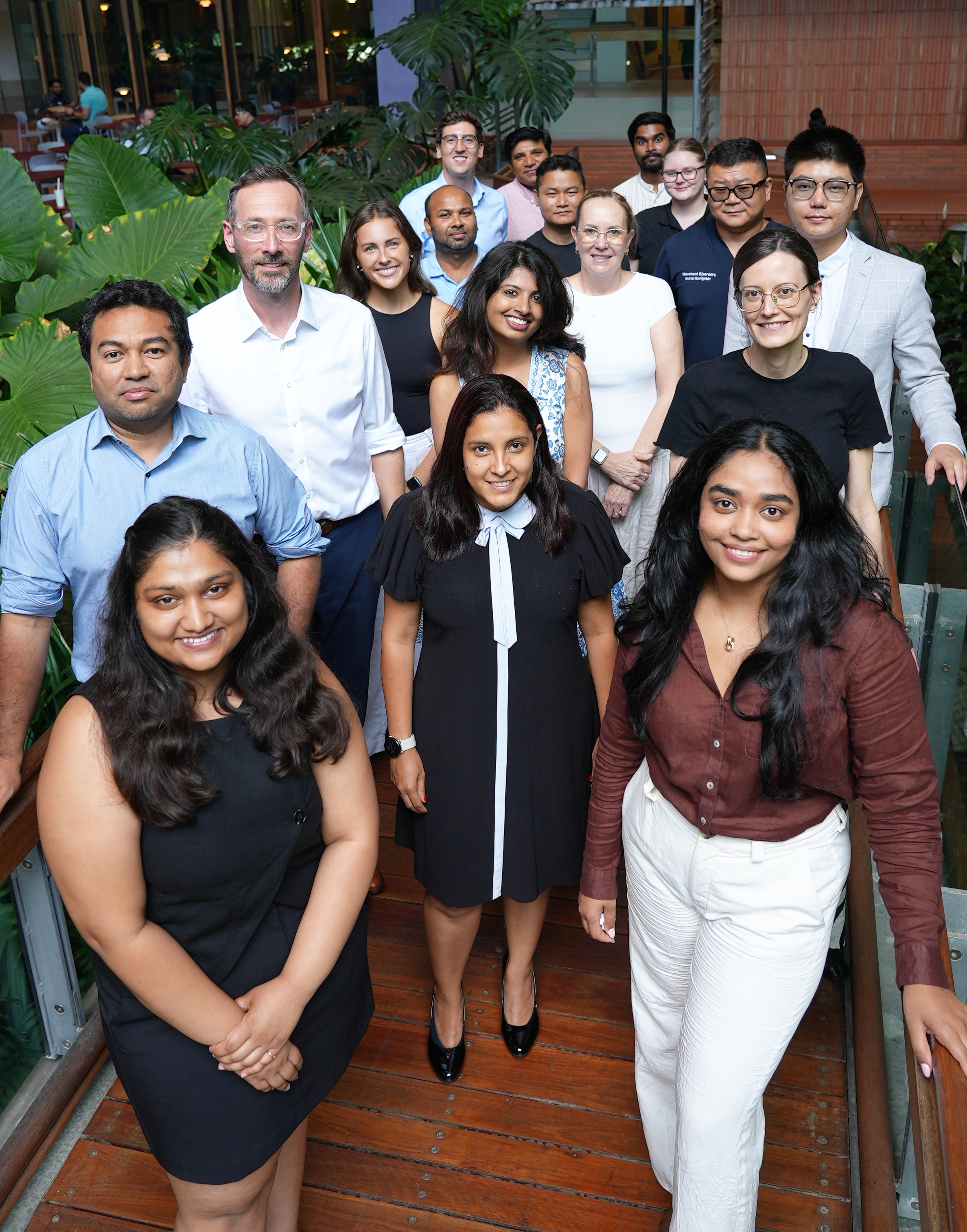
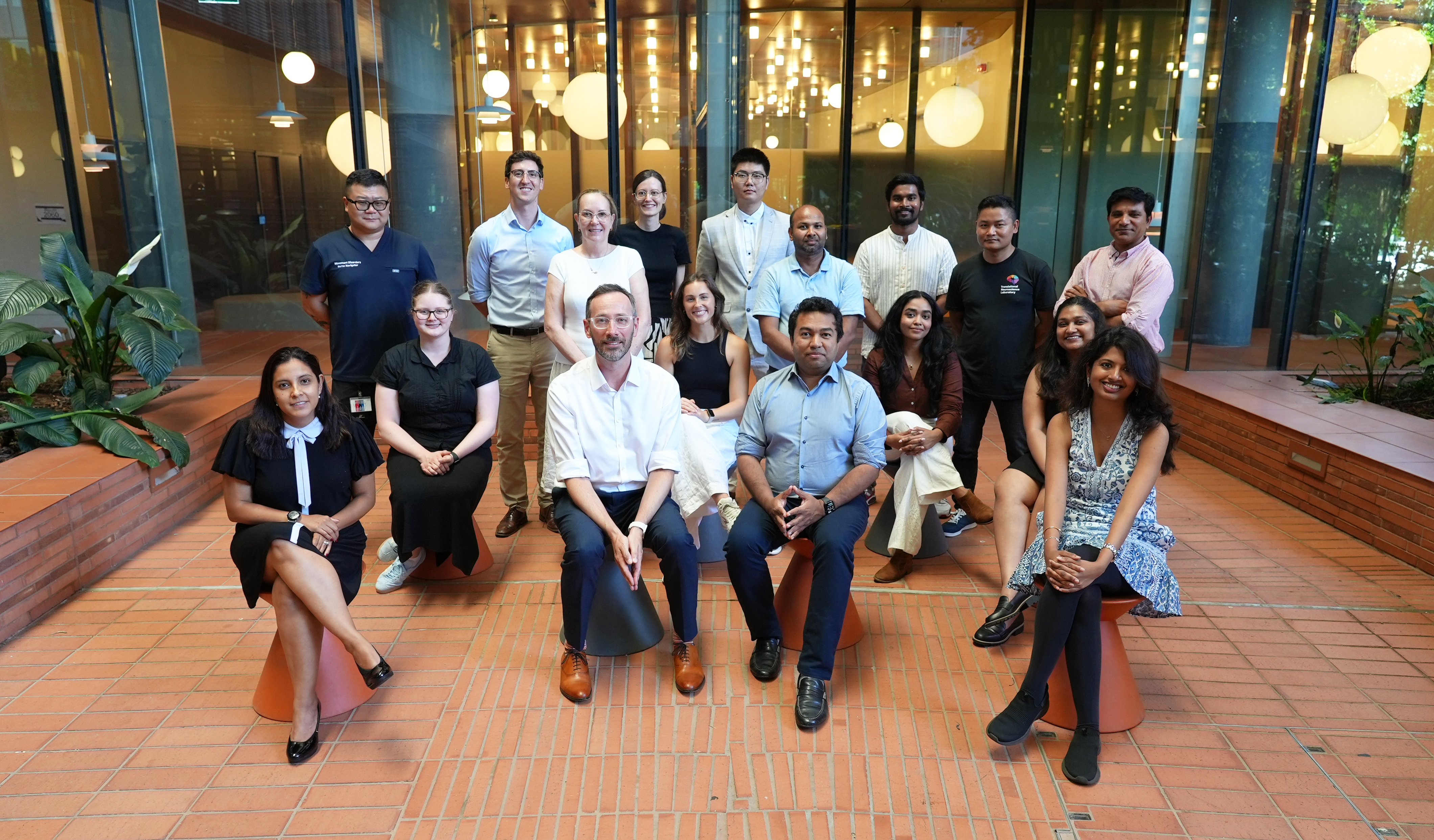
We’re able to overcome many of these challenges because of our exceptional multidisciplinary research team. Our work is strongly supported by collaborations within the Princess Alexandra Hospital and the Translational Research Institute, as well as productive interstate and international partnerships. These collaborations allow us to combine clinical insight with diverse expertise and tackle research questions that would be difficult to address in isolation.
Can you share a recent development or area of research that excites you?
One particularly exciting area of work is our research into the role of the gut microbiome in Parkinson’s disease and Functional Neurological Disorder. This work, conducted in close collaboration with Associate Professor Richard Gordon and his team, is exploring how gut-derived inflammation and neurotoxic metabolites may contribute to disease progression, with the aim of identifying targets for genuinely disease-modifying therapies.
At the same time, I’m actively involved in several highly promising Parkinson’s disease clinical trials through the Movement Disorder Society of Australia and New Zealand Clinical Trials Network. These include innovative stem-cell therapies and novel pharmacological approaches. Together, these studies represent a shift toward treatments that aim to slow or alter the underlying disease process, rather than simply managing symptoms.
What’s the most rewarding part of your work?
The most rewarding part of my work is seeing research change how patients are treated, sometimes within the same hospital where the research was conducted.
I’m particularly proud of building a clinical and research program that supports patients, trains clinicians, and collaborates internationally, all while remaining firmly grounded in public health care.
Is there a common misconception about your research?
A common misconception is that clinical research in neurology is abstract or far removed from day-to-day patient care. In reality, most of my research is directly driven by clinical questions that arise in the clinic and on the ward.
Another misconception is that meaningful progress in conditions such as Parkinson’s disease or Functional Neurological Disorders can only come from laboratory-based breakthroughs. While basic science is essential, carefully designed clinical research, collaborative trials, and improvements in care pathways can have a substantial and immediate impact on patients’ lives.
Looking ahead, what excites you most about the future of this field?
In movement disorder research, I’m particularly hopeful that ongoing advances will lead to more tailored and personalised treatment approaches. A better understanding of disease mechanisms should allow us to match the right treatment to the right patient at the right time, improving outcomes and moving closer to therapies that can modify the underlying disease process rather than only treating symptoms.
In the field of Functional Neurological Disorders, improving our understanding of the processes that lead to functional symptoms will allow us to develop more targeted, effective treatments and refine care pathways to better support patients in the future.
How important is the PA Research Foundation in supporting medical research?
The PA Research Foundation is absolutely essential. It provides the flexible funding that allows innovative ideas to get off the ground. Without this support, many clinically important research questions would never be explored.
The PA Research Foundation relies on the generosity of donors and supporters. What would you like to say to them?
I would like to sincerely thank every donor and supporter. Your generosity directly impacts patient care and enables research that improves lives. Many of the advances we make simply wouldn’t be possible without your support, and patients across Queensland benefit from your commitment to better health care.