
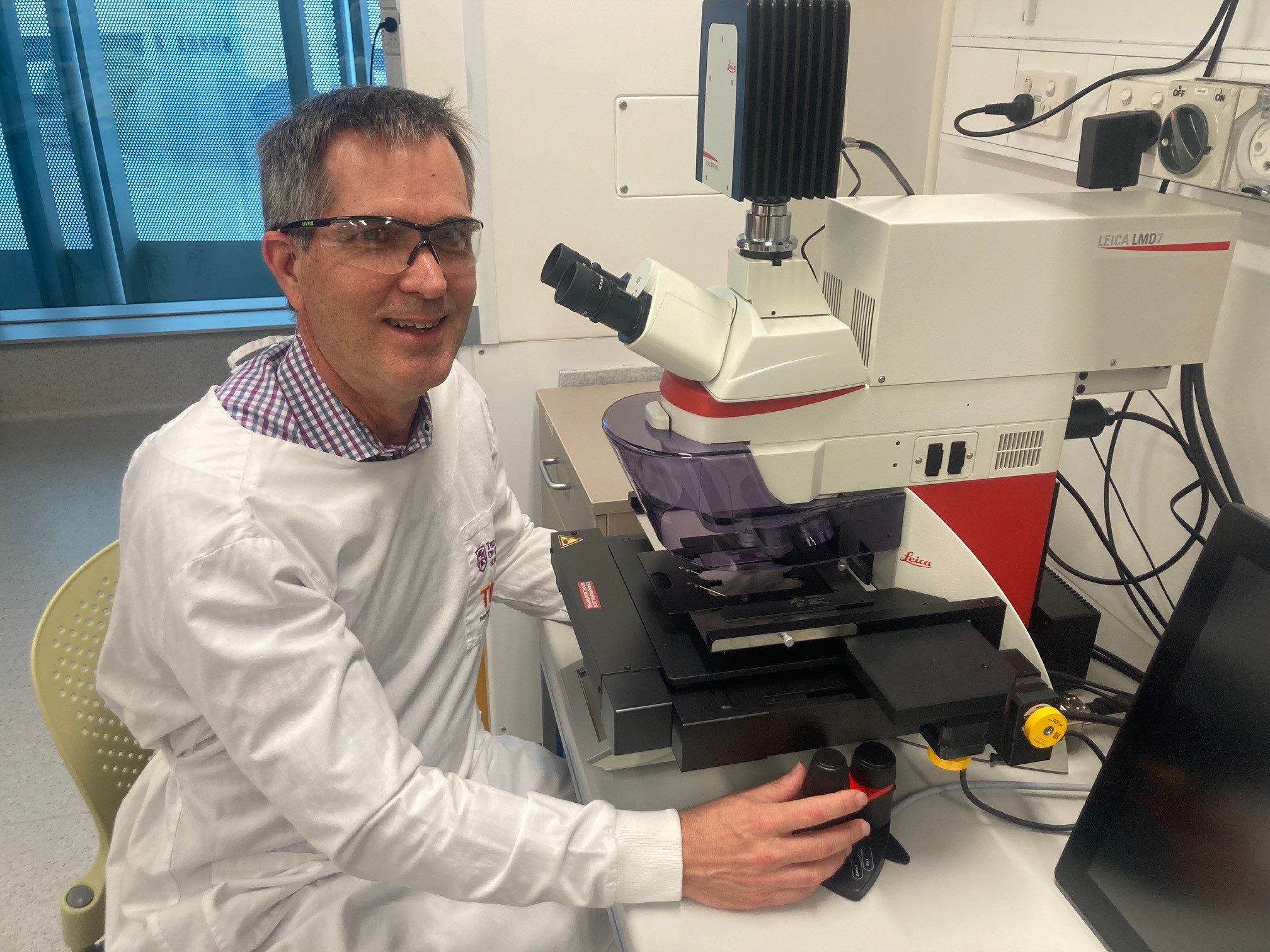
A/Prof. Peter Mollee – Improving Outcomes for Patients with Amyloidosis
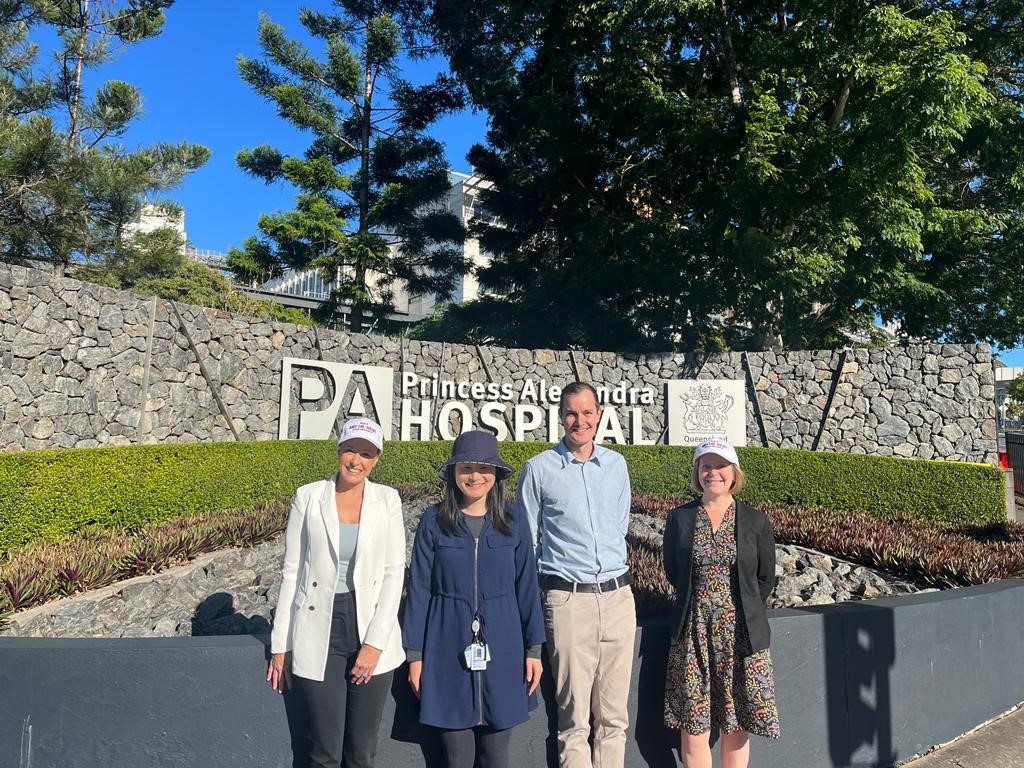
Associate Professor Peter Mollee is a clinician and researcher at the Princess Alexandra Hospital whose work is focused on improving the diagnosis, treatment and overall care of patients with amyloidosis - a complex and often under-recognised group of diseases.
Through a combination of clinical care, research and advocacy, Peter and his team are working to improve awareness, develop new diagnostic tools and advance treatments, with the aim of significantly improving outcomes for patients both in Australia and globally.
What is your area of research?
My research focuses on amyloidosis.
What originally drew you to this area of research?
I first became interested in amyloidosis when I was a Fellow in Toronto, where I looked at outcomes for patients with AL amyloidosis. At the time, outcomes were very poor, which created a strong motivation to find ways to improve them.
What impact do you hope your research will have on patient care or public health in the near and long term?
Our approach at the Queensland Amyloidosis Centre is multifaceted, with the aim of improving the lives of patients with amyloidosis.
This includes improving awareness of the disease, educating patients, families and health professionals, and advocating at both state and national levels for better treatments.
Our research spans a number of areas. We are working to improve diagnostics through advances such as optimising serum free light chain assays, improving immunohistochemistry, and developing tandem mass spectrometry as a diagnostic tool. We are also exploring novel imaging techniques, including radionuclide imaging, echocardiography and cardiac MRI, to better stage and monitor patients.
In parallel, we are involved in developing new treatments, including an mRNA vaccination approach aimed at eliminating the disease-causing protein in AL amyloidosis, as well as antibody therapies designed to remove existing amyloid deposits.
We are also heavily involved in clinical trials across all types of amyloidosis and conduct real-world studies to better understand how the disease presents and progresses. Together, this work aims to improve both the diagnosis and management of amyloidosis for patients.
How has funding from the PA Research Foundation helped accelerate your research?
Funding from the PA Research Foundation has helped enormously. It has supported the development of many of our key projects, including our mass spectrometry assay, cardiac MRI and radionuclide imaging work, as well as our real-world studies.
What challenges do you frequently face in your research?
One of the main challenges is finding enough time for research, particularly as a full-time clinician. Securing funding for investigator-initiated and basic science research is also a constant challenge, as is navigating increasingly complex research governance requirements.
Can you share a recent breakthrough or exciting development in your research?
One of the most exciting recent developments has been the progress of our tandem mass spectrometry assay. This has now been moved in-house to Pathology Queensland and will soon be seeking NATA accreditation. It represents the transition of a research project from concept through to an accredited diagnostic test that will be available to all Australians, which is a major advance.
What’s the most rewarding part of your work, and what are you most proud of in your journey so far?
Working with wonderful patients, as well as talented researchers and colleagues, is the most rewarding part of what I do.
Is there a misconception people often have about your research?
That it’s easy.
Looking ahead, what future directions or innovations excite you the most in your area of research?
I’m particularly excited about advances in novel imaging techniques and the development of therapies that can remove amyloid from tissues and rapidly restore organ function in patients with AL amyloidosis. There is also the possibility of preventing the disease in the future, which is incredibly promising.
How important are organisations like the PA Research Foundation in supporting research?
Support from organisations like the PA Research Foundation is so very important.
What would you like to say to the Foundation’s donors and supporters?
We are doing great work and research at the Princess Alexandra Hospital. We are a world-class institution delivering groundbreaking research that is only possible due to the generous support of people and organisations like you.