
Due to a multiple myeloma diagnosis, at one point Gary Naysmith was told he may only have a couple of years, now thanks to a clinical trial at the PA Hospital, he sees a clear road ahead.
It began with a routine blood test that picked up something unusual, followed by a neck that started cracking on the drive home from a motorcycle race meeting at Eastern Creek. An x-ray sent Gary straight to hospital, where scans showed aggressive multiple myeloma had hollowed out bones in his neck and left spots right through his skeleton, even though he felt fit as a fiddle beforehand.
"They rushed me into the hospital that day and gave me a CT scan and an MRI scan, and I was pretty much riddled. My bones had spots all over the place and the neck had hollowed out. Then the haematologist came in and said, 'Mate, you're in a bit of a bad way.' And I thought, God, I was so fit. I don't know how I could be in a bad way."
Plates were placed in his neck, and over the next five years Gary moved through five lines of treatment, including a stem cell transplant alongside daratumumab, a combination his doctors had not tried before but were willing to pursue given how aggressive the disease was. That was when the warning came that he may only have a couple of years to live if none of it worked, and he sold his motorcycle business and all his motorbikes.
By mid-2025 his blood markers had started to climb and the treatment options had run out, so when his haematology team offered him a place in a CAR-T cell therapy clinical trial through the PA Hospital's cellular therapy lab, Gary knew straight away what he wanted to do.
"I thought this is it, because I've done a lot of research and I found it was doing quite well in the US. So, I accepted it,” he said.
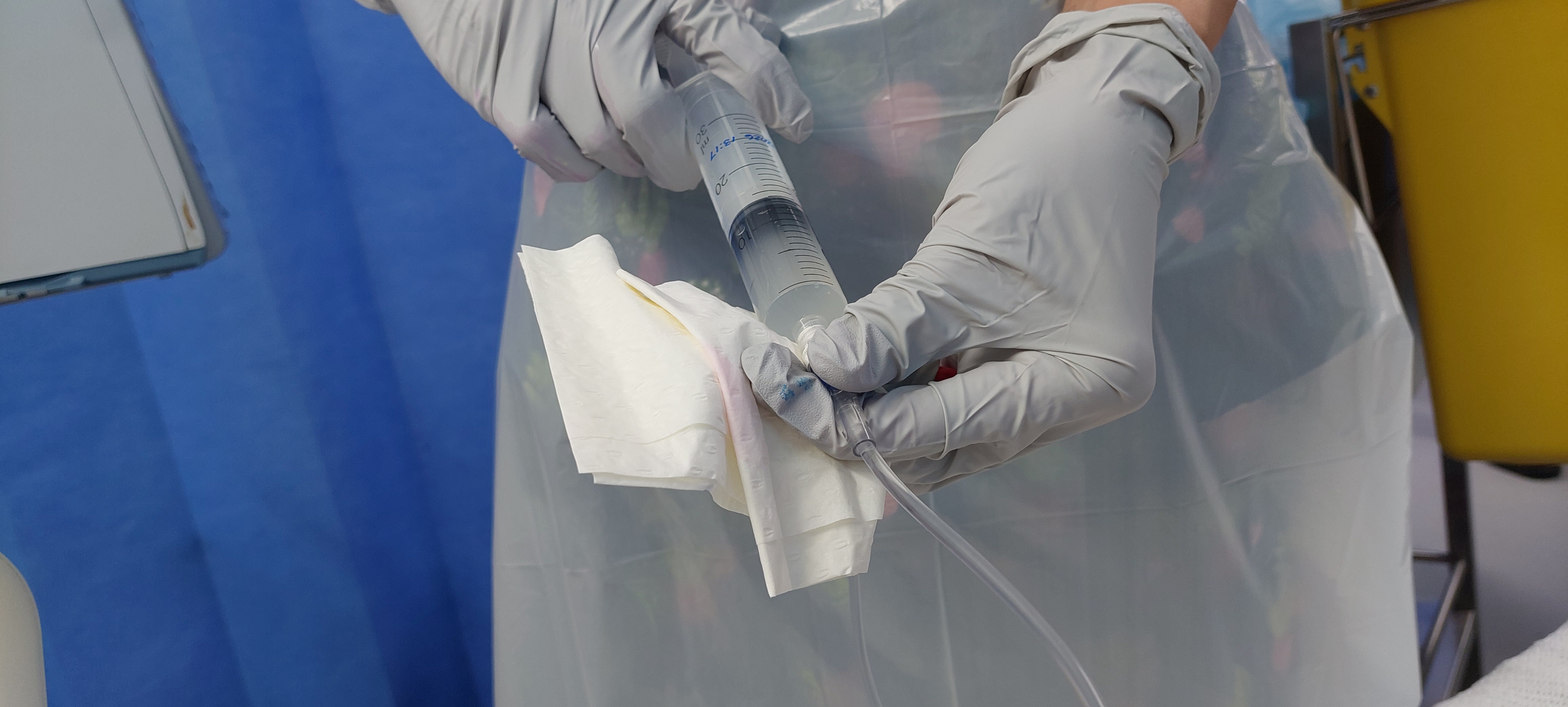
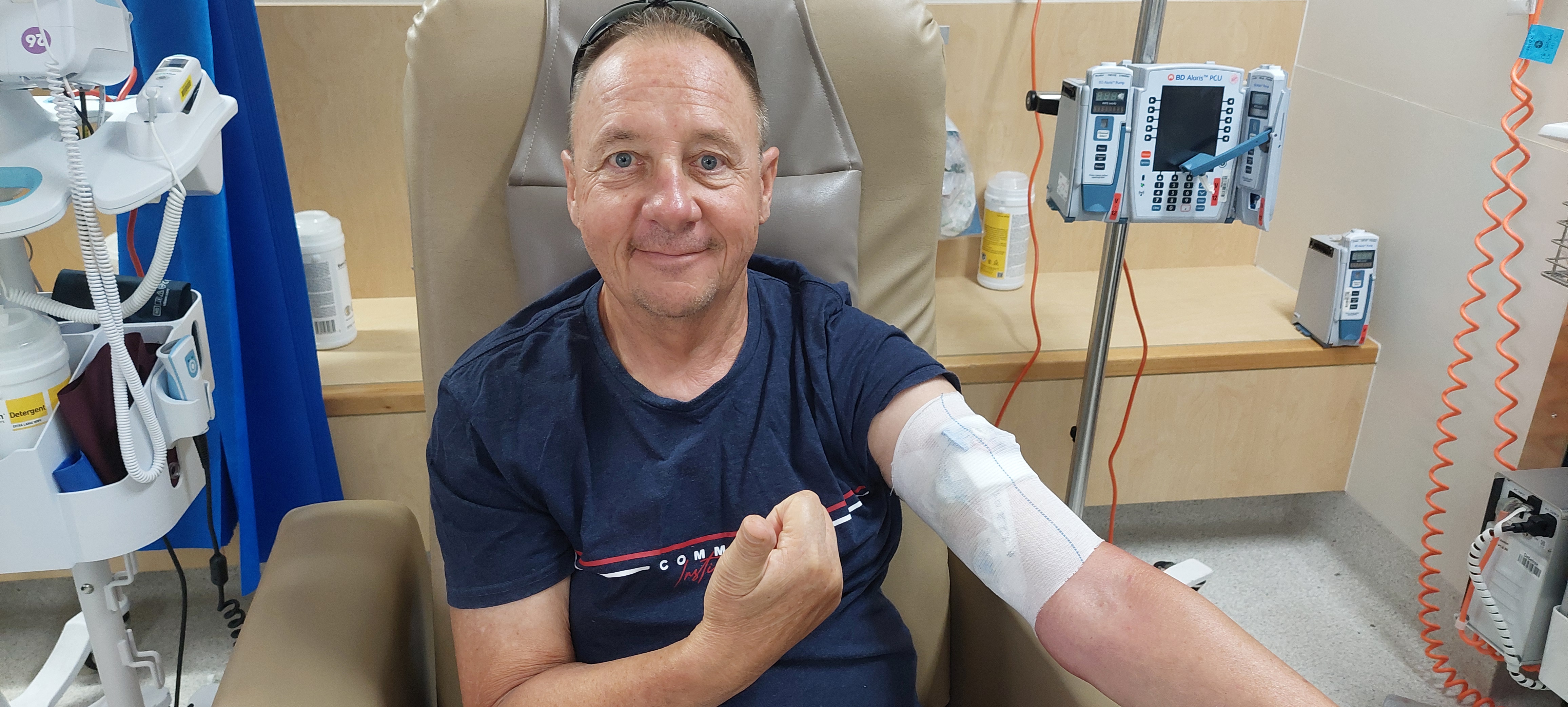
Blood was taken from Gary in December and sent to the United States, where his cells were modified, and in late February they were infused back into him in hospital. Within hours he took a sharp turn.
"About 11 o'clock, I went down pretty rapidly. They gave me dexamethasone, an antidote, which would suppress the CAR-T for a short time so I could get through it. Otherwise, I could have ended up in a bit of a bad way and in ICU. They did tell me that before I went in there, so that was the chance I was prepared to take,” Gary explained.
Each morning nurses had Gary draw a clock face and draw the hands to a time they called out, to check his mental acuity, and by the ninth day his clock was, as he puts it, ‘bang on’, so they sent him home. About two months later came the news he had waited years for, that the myeloma could no longer be detected.
Gary originally went home on a short course of medications and now just takes vitamin D, and a self-administered immunoglobulin top up each Monday.
The trial’s success means he is now looking forward to the future with his family and his partner of 25 years by his side.
"If it wasn't for this, I probably wouldn't be here. It was quite an aggressive disease for me, and they had already given me five lines of treatment. I've got a big family with lots of kids, grandkids. So that was a big plus for me."
He is back on a motorbike too, riding a Honda 750 he can sit on comfortably for about three hours before his neck, which will always carry the damage from the disease, tells him to stop, and he has bought a 1993 Ducati to restore with hopes of riding it sometime in the new year.
"I'm retired now. So, I just pop around here doing renovations on the house and go out riding, go away a bit, I'm living a pretty normal life. I'm pretty lucky I think."
It is a story that has come full circle, because Gary is also a Foundation donor, and thanks to supporters like him the Foundation funded a scientist working in the cellular therapy lab that ran the very same trial that has helped him.
You can support cancer research at the PA Hospital and help more patients like Gary get back to the people and the things they love, by making the Foundation your place to give here.
You can read more about the clinical trial here.