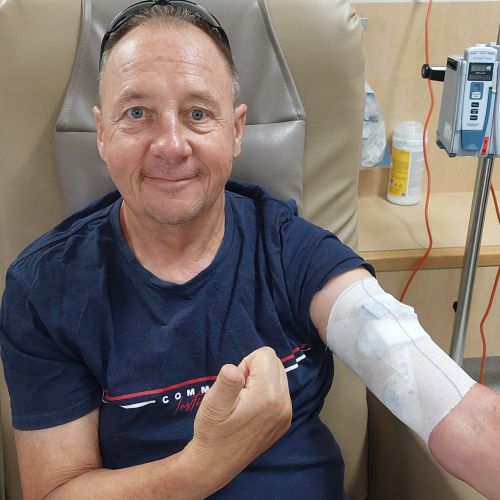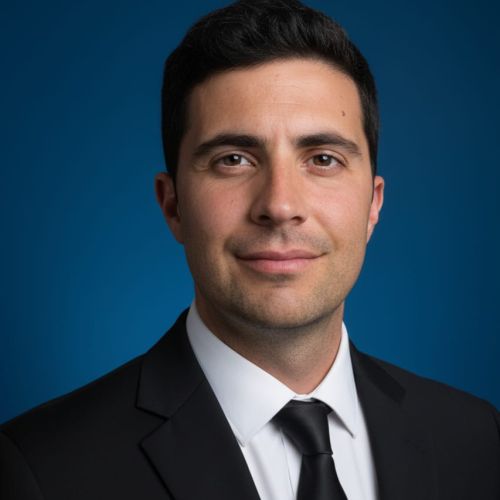
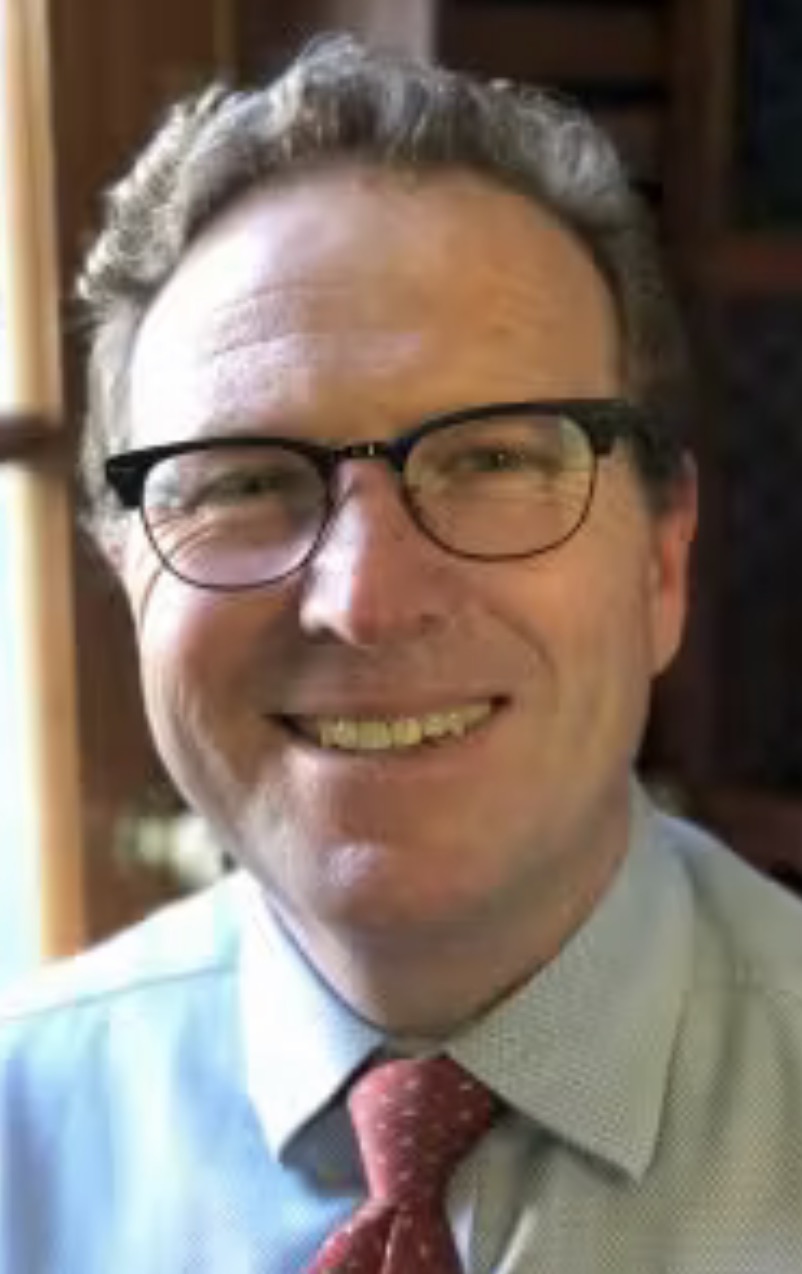
When Dr Brett Davis noticed a change in his urine back in 2020, the Brisbane GP of more than 30 years never would have imagined that one small sign would lead to a diagnosis of multiple myeloma. And that it would one day lead him to a clinical trial at the PA Hospital offering a renewed hope of beating the disease.
Dr Davis, 59, was diagnosed after some blood tests and specialist care, and went on to chemotherapy and then a stem cell transplant in February 2022. Though the transplant went well, it didn't completely settle the myeloma, so he began ongoing immunotherapy later that year, which kept things in check until a couple of months ago when the myeloma started to progress again.
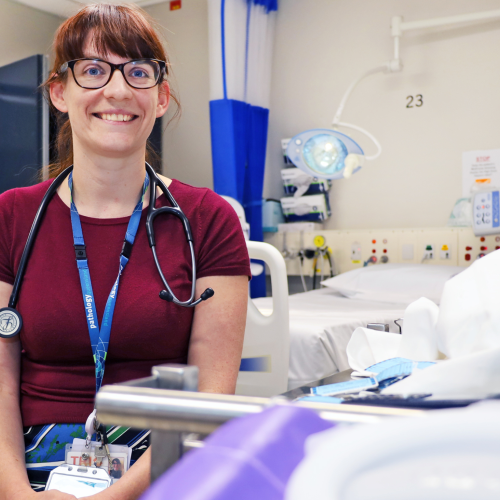
It was in discussion with his haematologist, Dr Matt Hourigan, that the pair decided to look at a clinical trial, with Dr Hourigan contacting Dr Fiona Swain and her team at the PA Hospital about their CAR-T cell therapy program for myeloma.
"Fortunately, there was one place available, in their CAR T-cell program for myeloma and I managed to snag it, so that was great,” Dr Davis said.
Since then, the PA Hospital's clinical research team has taken him through every step, from the screening work-up to the collection of his T cells, which are now being genetically modified in a laboratory overseas, a process that takes around five or six weeks.
"The whole clinical research team there organised MRIs and bone marrow biopsies and so forth, so all the screening work-up, just to make sure I'm eligible and well enough, to go through it. Then they do an apheresis, which is the collection of the T cells, which are basically genetically modified in a lab. And whilst that's happening, at the moment I'm on bridging therapy, which is a way of trying to keep the myeloma process at a minimum."
While his bridging treatment has knocked him around a little, with fatigue, and the need to be careful about infections, he's taking it in his stride. His modified T cells are due to be re-infused at the end of this month, and as a GP himself, Brett knows exactly how fortunate he is to have the chance.
"Research and clinical trials are absolutely essential,” he said.
“We're at an age in medicine and healthcare where the speed of development of some of these techniques and therapies are just advancing logarithmically. I think we're seeing so many options for a range of cancers, not just myeloma. Unfortunately, I understand there's a cost issue and numbers to treat, so sometimes the only way to access these types of treatments can be through a clinical trial, which fortunately I've been able to access.
“Otherwise, for myeloma, I understand I would need to have failed another two or three treatments before I'd be eligible to get it through the public system."
Dr Davis is clear-eyed about what is at stake, as he looks toward his infusion in just a few weeks time.
"I guess unless we did look at something like CAR-T, then the prognosis for me probably isn't great in the next few years."
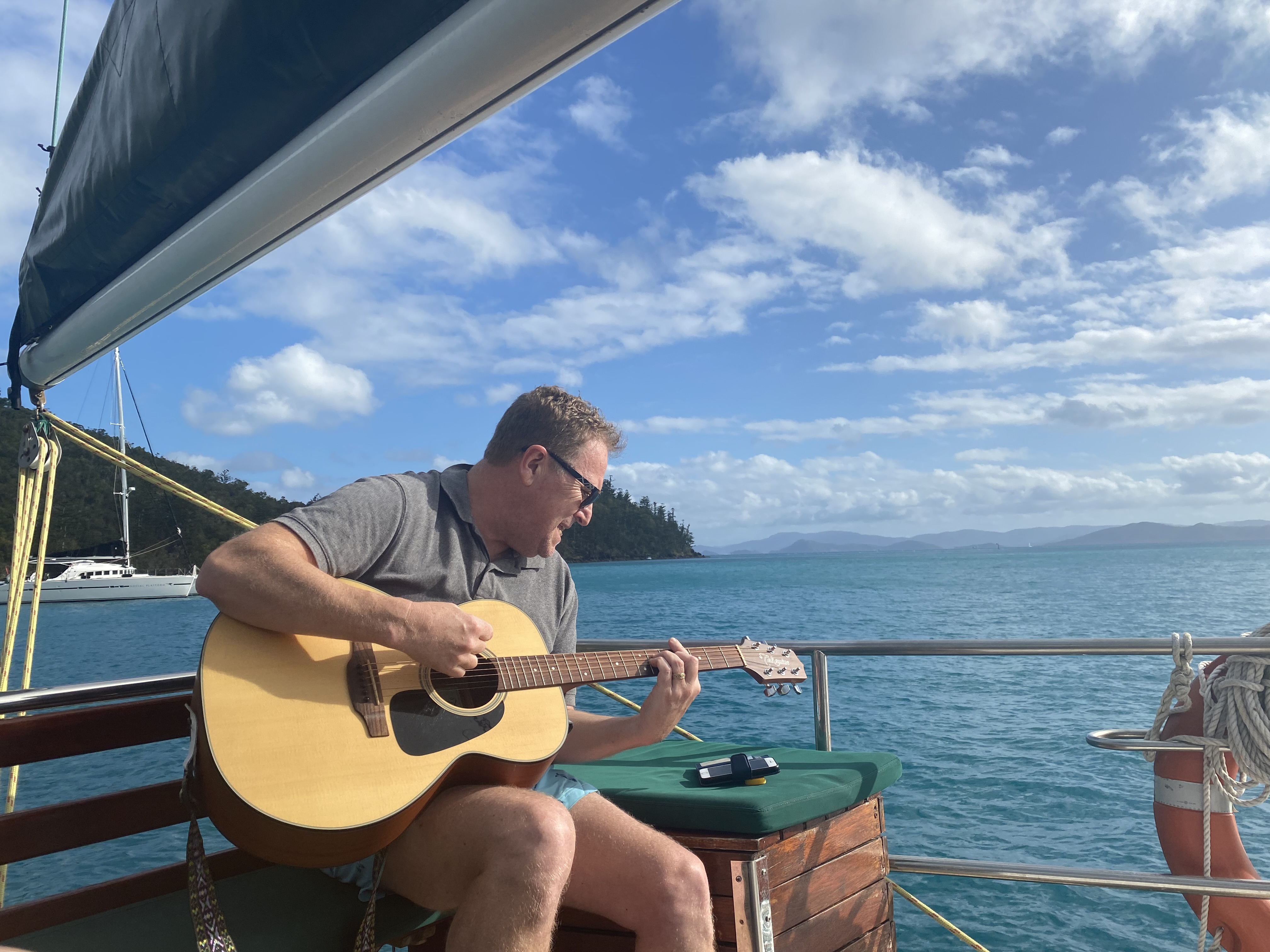
For now, he has taken leave from general practice, though he's still active, finding time for music and other interests, and living at home with his wife and son. If the treatment goes well, he'd love to return to general practice or some form of medical work.
"Overall, I'm pretty positive about it and certainly happy to have the opportunity to get this therapy. I'm not quite ready to check out yet.
“I’m enjoying life and hope to still contribute to the community in whatever capacity there might be. And I certainly want to spend a few more quality years with the family."
You can support clinical research by researchers working alongside clinicians at the PA Hospital campus, to give more patients like Dr Davis a chance at the treatments of tomorrow, by making the Foundation your place to give here.