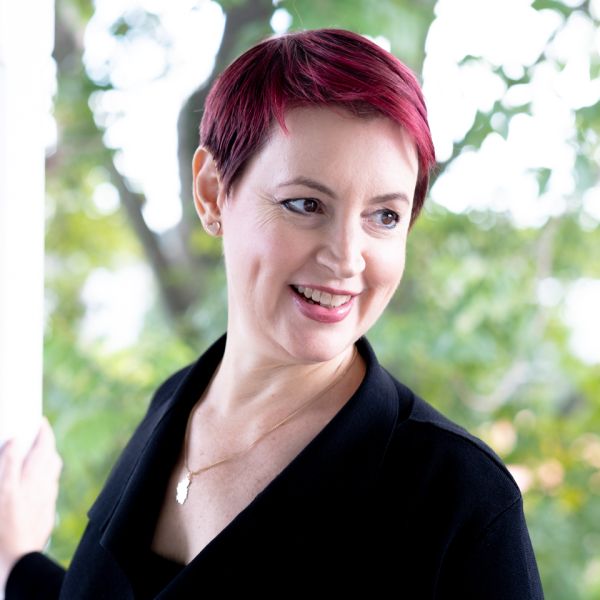

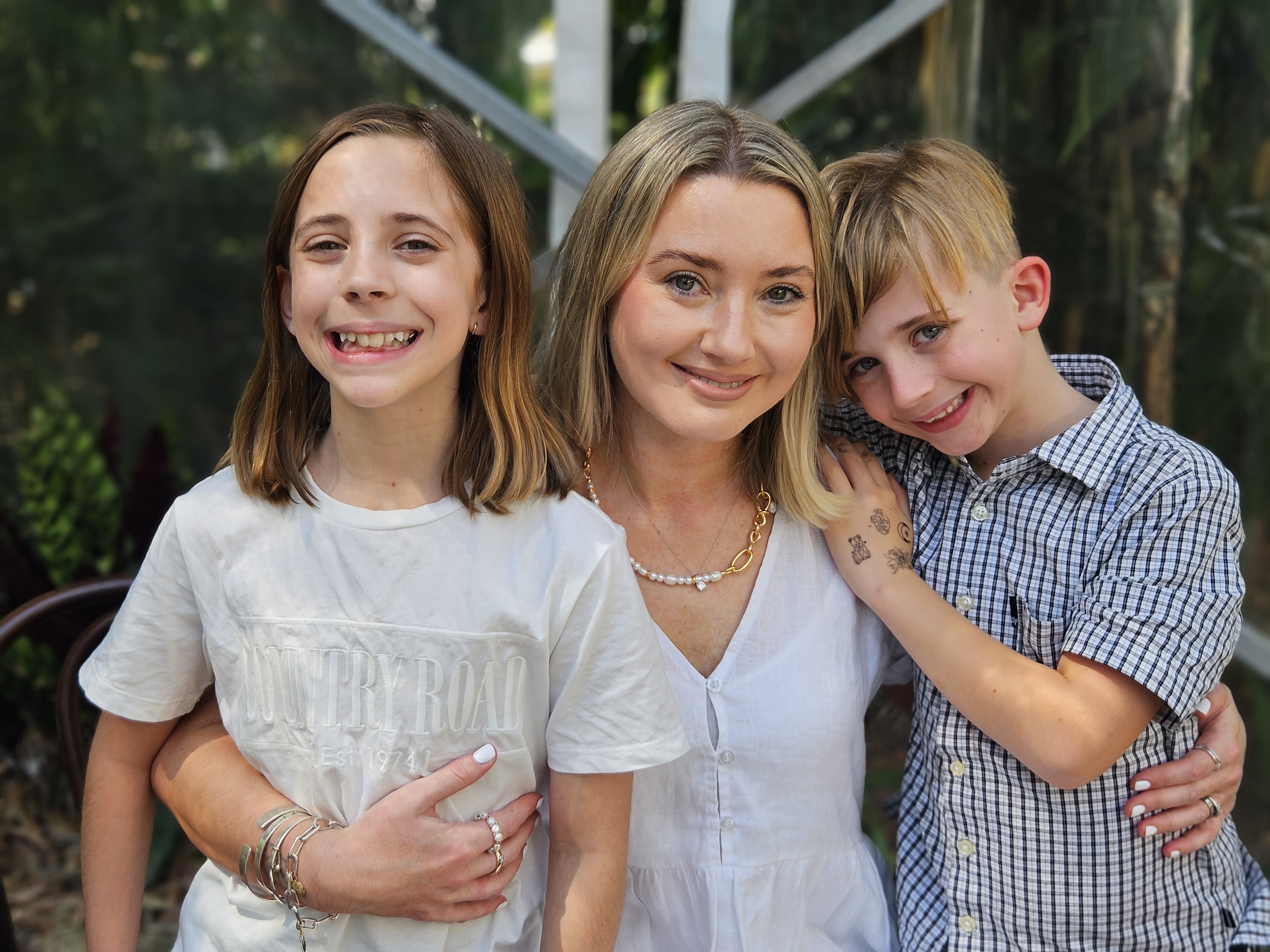
To say Katie Preston-Toepfer has been through a lot recently would be an understatement.
Katie and family endured the heavy lockdowns during COVID in Sydney and also lost several family members and friends over the last few years.
After struggling with her health for some time, Katie was eventually diagnosed with a rare disease called systemic mastocytosis (SM), all while juggling family life and helping run a family business, Sprinkler Media.
But the mother of two is strong-willed, and thanks to a clinical trial at the PA Hospital, she has regained much of her quality of life.
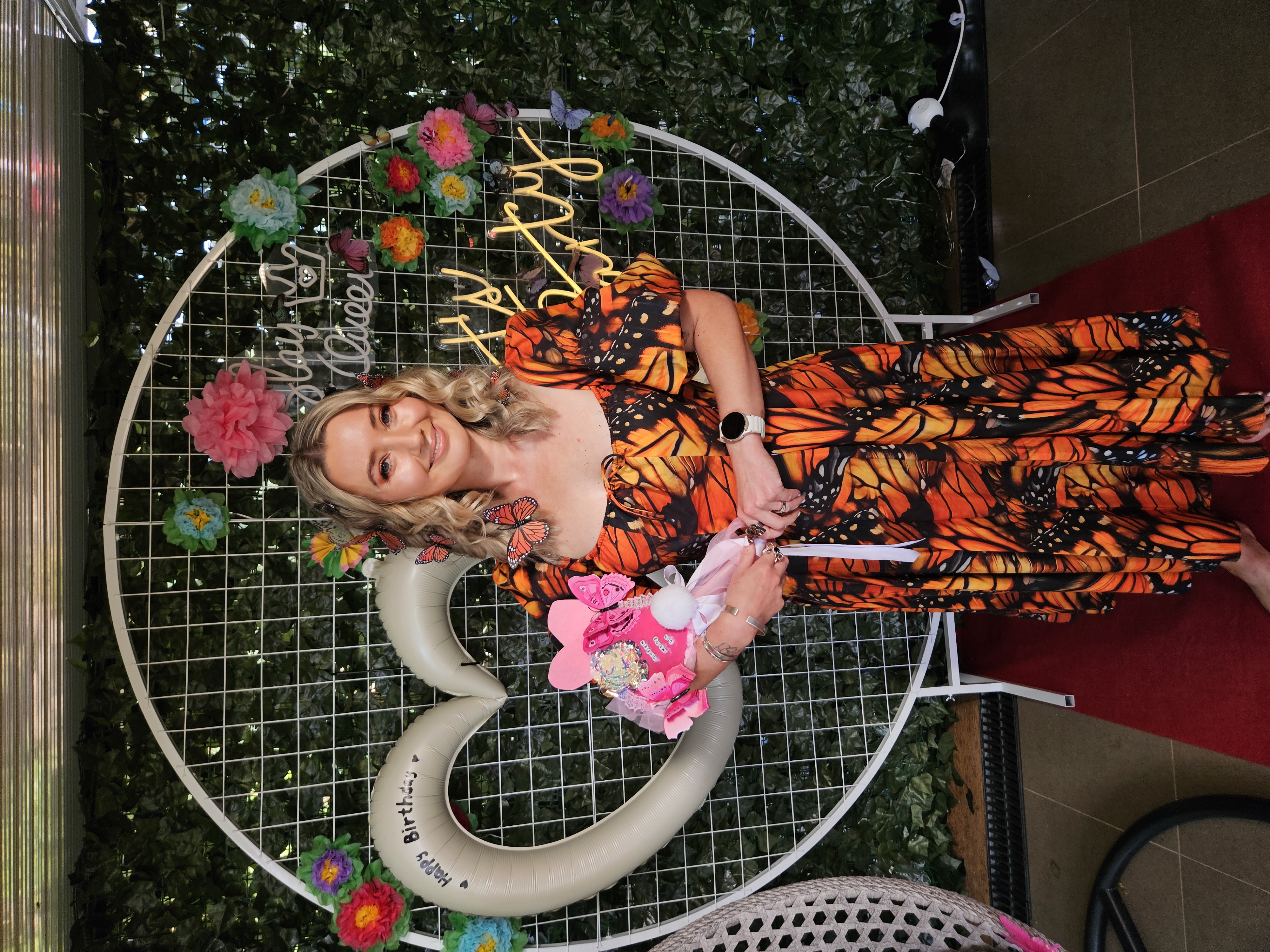
She is determined to give back and help others in similar situations. Katie has released a book she penned and produced, titled "I Love Being With Mum."
The book can be purchased here: https://www.katieprestontoepfer.com.au/store/p/ilovebeingwithmumbook.
The Brisbane mum wanted to create a resource for families that celebrates the importance of seemingly small moments shared with children and how different families can nurture and create joyful connections in their day-to-day lives when a parent has a chronic illness, disability, or is undergoing treatment for cancer or other diseases.
Mastocytosis is a disease of the body's mast cells, characterised by the accumulation of functionally defective mast cells that can release substances that trigger allergic reactions and, in some cases, cause organ damage.
Katie's health took a downturn a few years before her official diagnosis in 2021, when the family was residing in Sydney, with the family now having relocated to Brisbane so she could be eligible to be placed on a clinical trial at the PA Hospital and to be closer to family in Northern NSW.
"A lot of the doctors I had seen before would not do the bone marrow biopsy I needed under sedation. Then another one said, " Even if we did do it, there's no point in knowing if it's internal because there is no treatment, there's no cure," she said.
"We just wait until you deteriorate, then you go on chemotherapy, which is still standard treatment in Australia once your condition reaches a certain level.
"They graded me as what's called indolent; when you have indolent SM, you can go on like this and live a relatively normal lifespan, but the symptoms can be debilitating. It's more about managing symptoms and monitoring to ensure there is no progression of the disease.
"A similar drug to the one that I'm on through the trial has been approved in America for Aggressive Systemic Mastocytosis. When you've got aggressive SM, that means you're starting to have problems with organ failure."
"My systemic mastocytosis is graded as 'indolent' because I have an accumulation of mast cells in a few organs, in my liver and spleen, I have issues with my bones, and I've got lung nodules, and I've got a lot of other health problems, that all seem to stem from the mastocytosis."
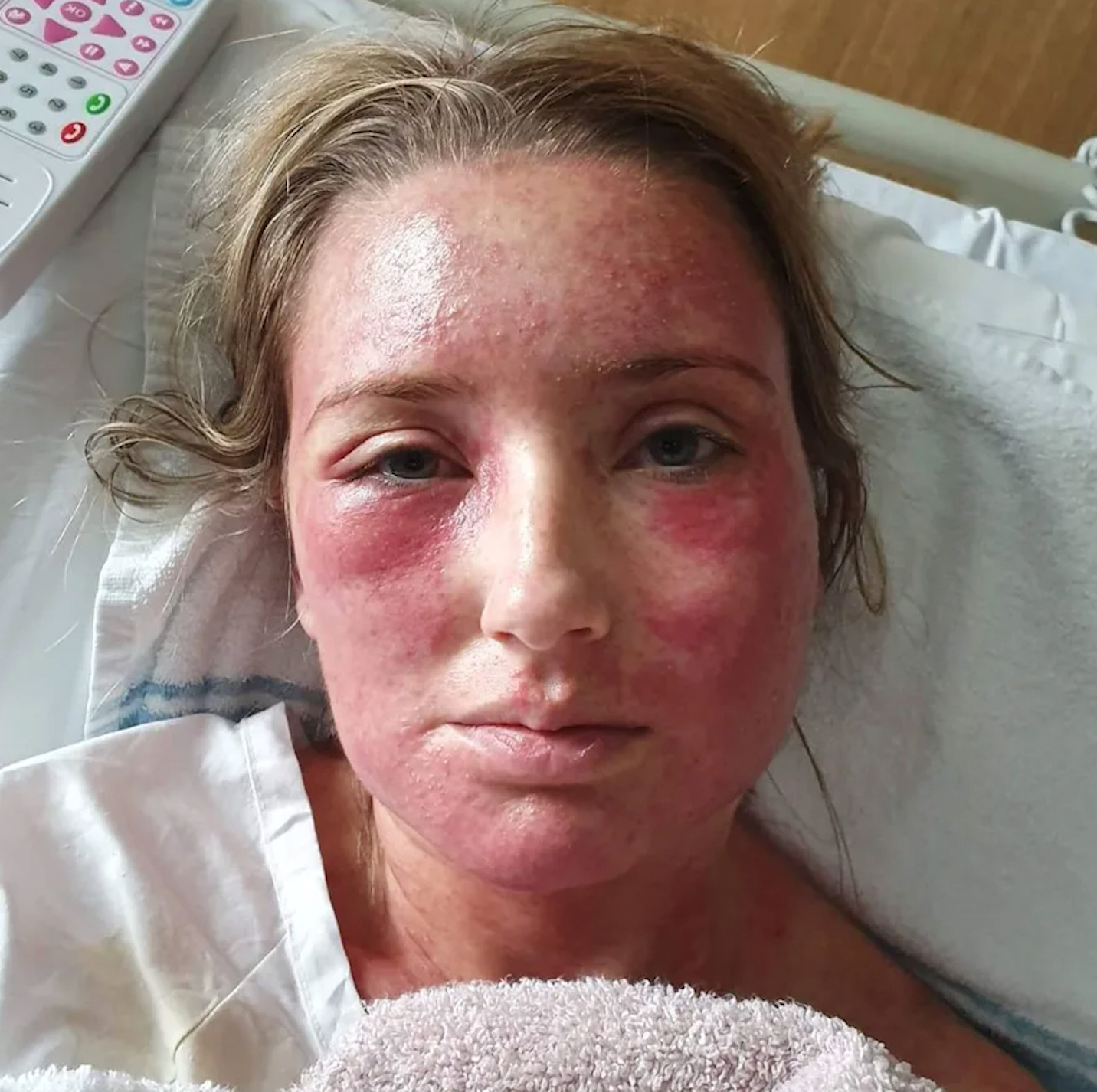
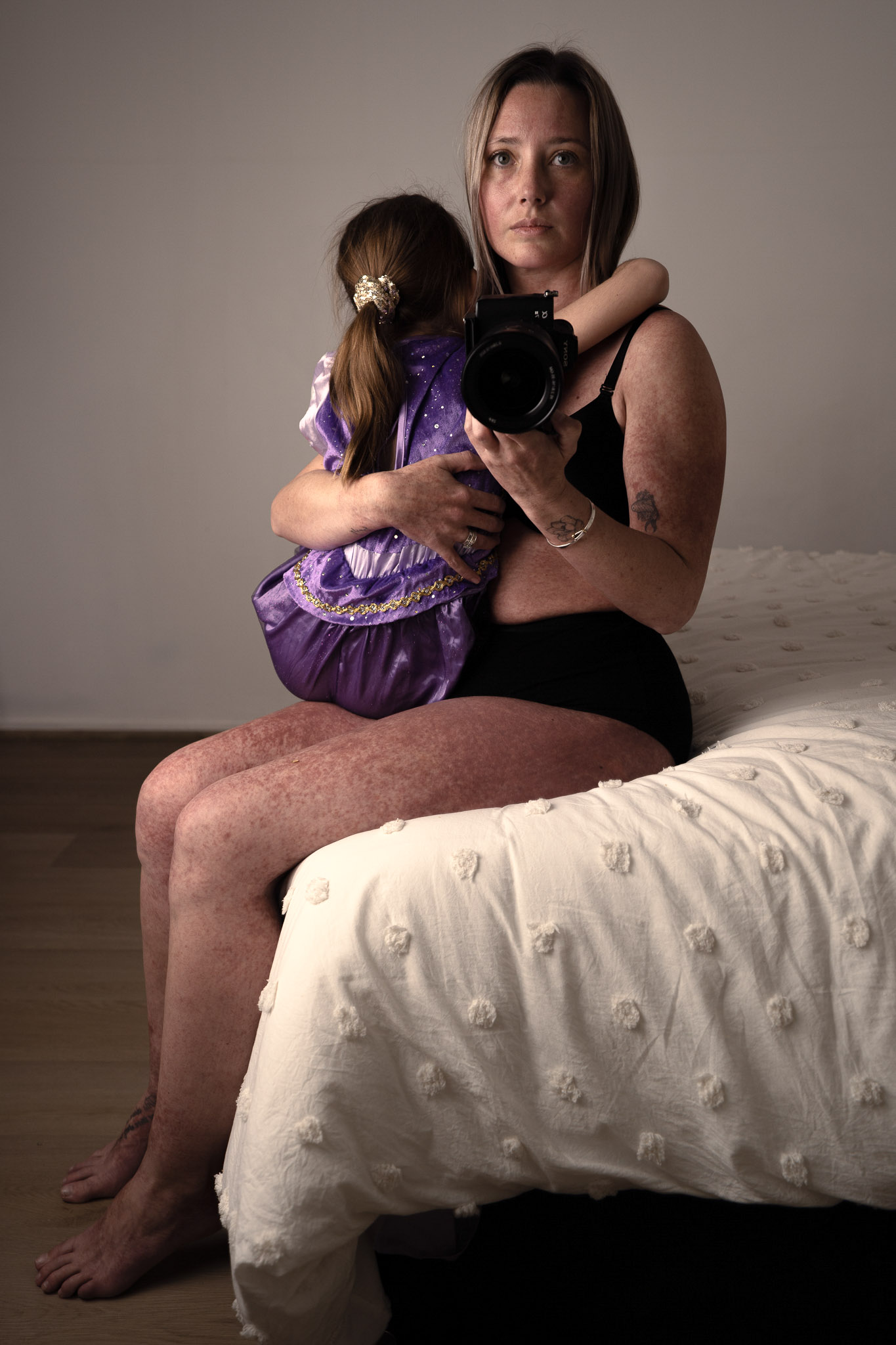
Adding to existing symptoms that include debilitating rash-like flare-ups of the skin, many mastocytosis patients experience extreme fatigue and the impact on their mental health that the condition can bring. Katie has been through and experienced all of this and more through her health journey.
"I realised I needed to get an official diagnosis because I had two big bouts of anaphylaxis. I ended up in the cardiac ward at one point in Sydney and spent a week in the cancer ward at St George Hospital. I realised that if I ever needed to access higher levels of treatment, I would need an official diagnosis.
“Everything started to line up for me when I found a haematologist willing to do the biopsy under light sedation and begin the official diagnosis and staging process with me," Katie explained.
"Head to toe, before I started on this drug trial, I was covered in red lesions, like little red dots. I'm still covered in them. They're just faded now. If I'm triggered by something, heat, stress or cold or anything, they can become inflamed, big, raised, and cause pain.
"My skin was a really big problem for me. It was probably the first thing to settle down when I started this drug through the PA.
"It's just a miserable existence rather than an immediate death sentence.
“I think it's something like 90% of people with systemic mastocytosis are positive for a genetic mutation, and this new drug targets the way that the gene is expressed and therefore helps people like me in that large majority who have a genetic mutation that has caused their condition.
"I jumped at the chance to be on the trial. It's been life-changing for us as a family, because you need to be at a certain level of wellness to do everyday things as a mum, a wife, and a business owner. I’m currently studying a Diploma in Counselling as I want to help people going through similar situations.
“I also have an Instagram page where I document my journey. Through this page, I’ve been able to connect with others with systemic mastocytosis across the globe.”
You can view Katie’s Instagram account here: https://www.instagram.com/mum_with_mastocytosis/?hl=en